Quick Answer
Yes, the remake feels meaningfully different from the original.
The biggest differences are not just visual. The remake changes the combat feel, expands the game with new support systems and side content, adds a more modern layer of camera upgrades and filter-driven decision making, and changes how some encounters read in moment-to-moment play.
If you only want the old game with cleaner graphics, that is not the full story here.
If you want the same core horror identity with more systems, more restructuring, and a different feel in combat and pacing, the remake is much easier to justify.
Is the Remake Actually Different?
This is the most important starting point.
A lot of remakes are basically visual refreshes with minor quality-of-life work.
Fatal Frame Crimson Butterfly Remake goes further than that.
The core identity is still recognizable:
- haunted village structure
- ritual-heavy horror atmosphere
- Camera Obscura combat
- the same emotional and supernatural foundation
But the remake does not play like a pure museum piece.
It introduces enough system-level and pacing-level changes that returning players will notice the difference very quickly.
So the short answer is:
- same core game identity
- different play feel
- more system-driven remake than simple texture update
Visual Presentation Is Obviously Better

The remake’s visual upgrade is obvious immediately: cleaner rendering, stronger readability, and a more modern presentation layer.
The easiest difference to notice is visual presentation.
The remake looks cleaner, more modern, and more immediately readable.
That changes more than screenshots. It also changes how spaces feel while you move through them.
What improves visually
The remake generally feels stronger in:
- environmental clarity
- lighting presentation
- atmosphere through modern rendering
- visual readability in encounters
- animation legibility during tense moments
That does not mean every player will prefer the new look in every scene.
Older survival horror often has a harsher, more ambiguous texture to it that some people miss. But for most players, the remake is the more accessible visual version.
Combat Feels Different, Not Just Updated
This is where the comparison gets more interesting.
The biggest practical difference for many players is that the remake is not simply the original combat with a prettier shell.
The rhythm and the decision-making around fights feel more system-heavy.
Why the combat feels different
The remake leans more into:
- upgrade decisions
- filter usage
- willpower management
- film economy pressure
- comfort vs damage tradeoffs
That makes combat feel less static and more build-sensitive than a simple replay of the old version.
Two players can now have noticeably different combat experiences depending on:
- their upgrade priorities
- how aggressively they spend better film
- which filters they rely on
- how much they value comfort tools like Reload Speed or Focus
That is a bigger shift than “same old combat, but smoother.”
Camera Obscura Has More Build Identity
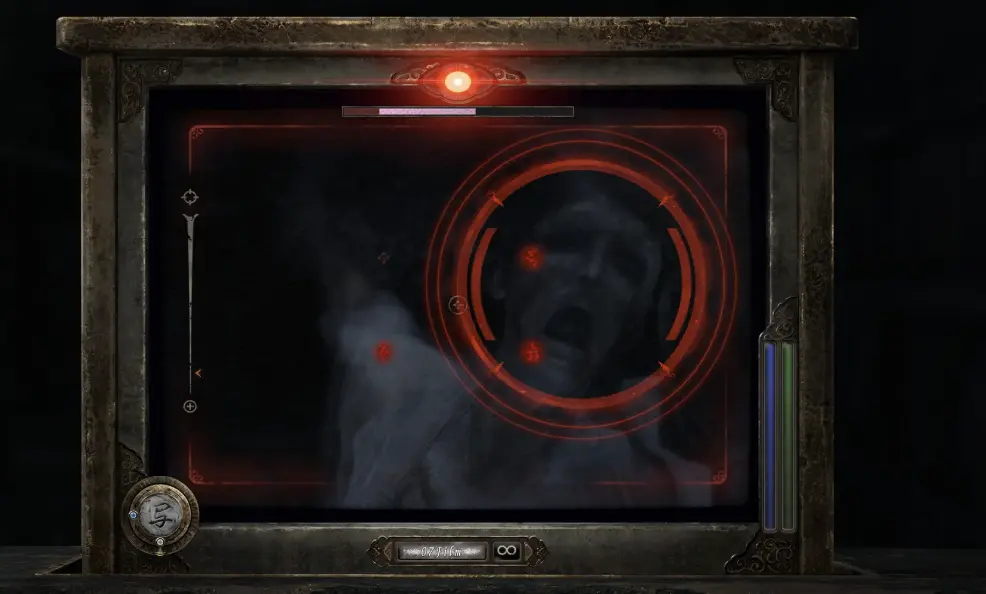
The remake gives the Camera Obscura much more build identity through upgrades, filters, and player-facing progression choices.
One of the strongest remake differences is how much more the Camera Obscura feels like a build system.
Instead of just using the camera as a static horror weapon, the remake pushes you harder into choices like:
- what to upgrade first
- whether Focus or Zoom matters more to you
- how much you value Reload Speed
- whether utility upgrades are worth the cost
- how filters change your priorities
That makes the camera feel less like a fixed tool and more like a progression path.
For new players, this usually makes the game more approachable because there is more room to tailor the experience.
For old players, this is one of the clearest ways the remake separates itself from the original.
Film Economy Feels More Important
The original game already had resource tension, but the remake makes film choice feel more visibly tied to combat comfort.
That matters because film is no longer just “damage tier.”
In practice it also becomes a decision about:
- reload rhythm
- pressure control
- whether a fight is worth dragging out
- how much risk you are taking by staying cheap
That makes the combat economy feel more modern and more explicit.
If you are the kind of player who enjoys managing limited resources with real tactical weight, the remake usually feels richer.
If you preferred the older, leaner style, the remake may feel more “systems-forward” than you wanted.
Filters and Special Shots Add More Texture
Another place where the remake feels fuller is filter-driven play.
The remake gives more visible tactical personality to tools like:
- Perceptual Filter
- Exposure Filter
- Radiant Filter
- special shots tied to willpower usage
That changes how you think about the camera outside of basic photography damage.
Why that matters
These systems create more playstyle variation:
- utility-oriented exploration
- hidden trace or object interaction
- aggressive short-range power tools
- more distinct willpower tradeoffs
This is one of the best examples of the remake being more than a simple visual overhaul.
It adds more layers to how the game is actually played.
Best Way To Think About It
The remake is not just “the original with cleaner visuals.”
A better description is: the original foundation rebuilt with more visible progression systems, more modern combat structure, and more explicit player-facing choices.
Encounter Readability Feels Different
Some encounters and enemy moments are easier to read in the remake, even when they are still stressful.
That can change the emotional feel of a fight.
Where this matters most
Returning players often notice differences in:
- how clearly threats are presented
- how easily they can tell what a ghost is doing
- how readable spacing and pressure feel
- how certain standout encounters build tension
In some scenes, the remake improves clarity.
In other scenes, some players may feel the older version had rougher ambiguity that made the horror feel more oppressive.
That is a real tradeoff, and it is one reason “better” is not exactly the same as “identical.”
The Remake Also Expands Side Content
The remake strengthens replay value through New Game Plus structure, side stories, and broader completion layers.
This is one of the most important differences for players wondering whether the remake adds enough to justify replaying.
The remake is not only about main-path presentation. It also expands the surrounding content layer with things like:
- side stories
- extra collection logic
- more structured completion systems
- New Game Plus hooks
That matters because it changes the game from a simpler replay into a broader completion package.
If you like:
- route cleanup
- unlock-driven replays
- side material that gives more structure to repeat runs
then the remake has a stronger value proposition than a straight remaster would.
New Game Plus Has More Pull
For some players, the original experience was mostly about one strong playthrough and then maybe selective revisits.
The remake gives New Game Plus and repeat runs more reason to exist.
That is important because it changes how the whole game is framed:
- less “one clean horror run and done”
- more “main run plus progression, cleanup, and extended completion”
If you like replay layers, that is a plus.
If you only want the sharpest first-playthrough horror experience, it may feel more game-like and less minimal.
Balance and Combat Tuning Matter More Than People Expect
Another real difference is that the remake can feel more tuned and adjusted rather than simply preserved.
That can show up as:
- altered combat comfort
- different pressure during specific fights
- different value in upgrades or damage decisions
- rebalanced moments that feel less like a direct copy
This is one of those differences that long-time players notice even when they cannot immediately reduce it to one menu stat.
The remake often feels like it has been shaped with a different understanding of what modern players need from tension, clarity, and friction.
Does the Horror Feel Different?
Yes, but not in a simple “better or worse” way.
The original often carries a rawer survival horror edge because older presentation leaves more space for harshness, obscurity, and discomfort.
The remake keeps the same setting and themes, but its stronger readability and more modern systems can shift the emotional tone.
That means:
- the horror is still there
- the emotional structure is still there
- the village and ritual dread still matter
- but the texture of fear is slightly different
Some players will prefer the original’s rougher mood.
Others will find the remake easier to engage with because it is more legible and mechanically expressive.
Where The Remake Feels Better
- + Much stronger visual presentation and readability
- + More interesting upgrade and filter-driven combat decisions
- + More build identity in the Camera Obscura
- + More side content and replay hooks through completion systems
- + A more modern-feeling overall package for new players
Where Some Players May Prefer The Original
- - Less raw and rough around the edges than the original
- - Some players may prefer the old ambiguity and harsher survival horror texture
- - More systems can make the remake feel less minimal
- - Returning players looking for near-identical preservation may find it too reworked
Is the Remake Better For New Players?
Usually yes.
If someone has never played Fatal Frame 2 before, the remake is generally easier to recommend because:
- it is visually easier to read
- it presents systems more clearly
- the progression layer gives more onboarding support
- there is more room to soften friction through upgrades and resource choices
That does not mean it is automatically the “only” version worth playing.
It means the remake is usually the better entry point for someone who wants a more modern horror experience without giving up the core identity of the game.
Is the Remake Worth It For Returning Players?
Usually yes, but for a different reason.
Returning players should not buy in expecting a carbon-copy nostalgia replay.
They should buy in expecting:
- the same core dramatic and horror spine
- a noticeably different mechanical layer
- more reasons to replay and optimize
- more overt build and progression decisions
If that sounds appealing, the remake is worth it.
If you only want preservation and historical texture, the original may still hold a unique appeal.
Who Should Play Which Version?
Play the remake if you want:
- a more modern presentation
- more structured camera progression
- more explicit resource and combat decisions
- more side content and replay hooks
- a smoother entry point into the game
Prefer the original if you want:
- a rougher classic survival horror texture
- a less system-heavy feel
- the older atmosphere exactly as it was framed
- a more preservation-focused experience
That is the cleanest split.
Final Verdict
Fatal Frame Crimson Butterfly Remake is meaningfully different from the original.
It keeps the same emotional core, but changes enough around combat feel, progression, filters, side content, and replay structure that it becomes its own version rather than just a prettier shell.
If you want the original experience preserved exactly, the remake is not that.
If you want the original rebuilt into a more systems-driven, modern-feeling horror package, the remake is much easier to recommend.
Top Questions
Remake vs Original FAQ
Is Fatal Frame Crimson Butterfly Remake different from the original?
Yes. The remake keeps the same core horror identity, but changes combat feel, progression structure, filter usage, side content, and overall presentation enough to feel meaningfully different.
Is the remake just better graphics?
No. Better visuals are the easiest difference to notice, but the remake also adds more obvious progression systems, more filter-driven gameplay, more replay hooks, and a different combat rhythm.
Is Fatal Frame Crimson Butterfly Remake worth it for returning players?
Usually yes, especially if you want more than a nostalgia replay. The remake offers a different enough mechanical layer and more structured replay value to justify returning for many players.
Which version is better for new players?
The remake is usually the easier recommendation for new players because it is more readable, more modern in presentation, and offers more progression support through upgrades and systems.
Does the remake change the horror feel?
Yes, slightly. The core dread remains, but the stronger readability and more modern systems can make the remake feel less raw than the original’s rougher survival horror texture.
Does the remake add side content?
Yes. One of the more important differences is that the remake gives side content, completion systems, and repeat runs more structural weight than a simple visual remaster would.
Related Fatal Frame 2 Remake Guides
Camera Obscura Upgrades
Best early upgrades, Focus vs Zoom priorities, and how the remake’s build identity changes combat feel.
Film Types Guide
See how resource pressure, reload timing, and stronger film choices differ inside the remake’s combat rhythm.
Endings Guide
Understand the broader route logic, side-content pressure, and replay structure around the remake.
All Ghosts Guide
Ghost list logic, collection structure, and how completion-minded players should approach the remake.