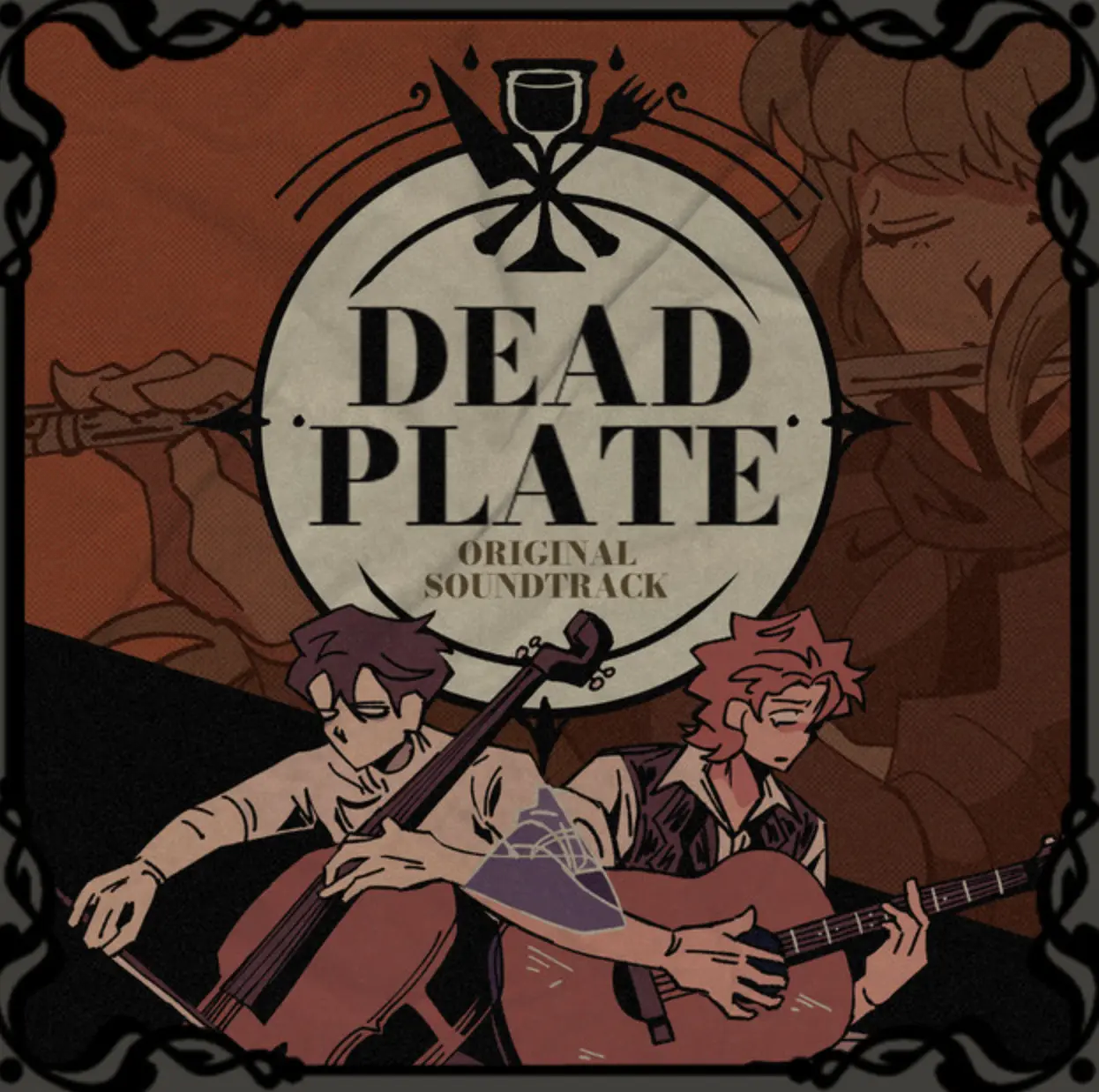
Dead Plate official game art background featuring Rody and Vincent
Live Simulator v0.2

Unlock All Endings Without Spoilers: Interactive Survival Guides for Dead Plate & Indie Horror

Navigate hidden paths, decode decisions, master the true ending—all spoiler-free

Games

Interactive survival guides, decision tools, and lore deep-dives—built for indie horror.

Dead Plate
Active
Active
The Freak Circus
Coming Soon
Coming Soon

Toolkit

Unlike generic gaming wikis or linear Steam guides, HorrorHub's content emphasizes agency and discovery.

Feature

Interactive Simulator

Learn Every Decision's Impact Before Committing In-Game

Experience Dead Plate's high-stakes restaurant service through real-time decision scenarios. Our simulator maps every crucial choice—from customer interactions to kitchen protocols—revealing outcome consequences without irreversible commitment. Preview dialogue variations, service timing mechanics, and hidden triggers influencing your ending. Ideal for players targeting the true ending or specific achievements who want strategic preparation over trial-and-error walkthroughs.

Feature

Spoiler-Free Decision Matrix

Control Your Spoiler Exposure—Reveal Only What You Choose

Navigate Dead Plate's branching storyline using a visual decision matrix with toggleable spoiler reveals. You control what you see and when: compare consequence pathways for "Best Served Cold," "Best Served Hot," and "Abattoir" endings without narrative spoilers contaminating your discovery. Perfect for achievement hunters and players with specific ending goals who value autonomy over hand-holding. Unlock deeper context only when ready.

Feature

Deep Lore Archives

Excavate Hidden Story: Character Backgrounds, Environmental Details & Subtext

Uncover Dead Plate's unseen world through curated character backstories, environmental storytelling analysis, and hidden dialogue deep-dives. Our lore database explores Vincent's motivations, Rody's social context, Manon's secrets, and the restaurant's dark history—details developers embedded beyond primary endings. Perfect for players hungry for true-ending narrative depth and indie horror enthusiasts seeking comprehensive world-building analysis. Discover layers most playthroughs miss.

FAQ

FAQs serve triple SEO purposes: (1) address genuine search queries ("how to get all endings"), (2) earn FAQ schema rich snippets in Google search results, and (3) establish topical authority in horror game guides.

How Do I Unlock All Endings in a Game Like Dead Plate? +
Different endings typically unlock through specific choices during story decision points. The most effective strategy: identify branching moments without reading plot context (use a spoiler-free decision matrix), then plan your specific ending goal deliberately. Most indie horror games reward deliberate replay—save before major decision points to experiment, or preview outcomes through an interactive simulator without in-game commitment. Dead Plate features 4 primary endings with dialogue/achievement variations; most players unlock all variations across 2–4 runs. Our Interactive Simulator maps the decision requirements for "Best Served Cold," "Best Served Hot," and "Abattoir" endings, letting you plan your route strategically.
Are Your Game Guides Completely Spoiler-Free? +
Our guides employ a tiered spoiler system: you control your exposure. The Spoiler-Free Decision Matrix reveals only what you toggle visible; lore archives display content warnings; the Interactive Simulator teaches mechanics without narrative context. For blind playthroughs, use the Simulator alone. We recognize that indie horror's core magic depends on player discovery and surprise—design tension breaks when walkthroughs force you to read entire plot sequences. Most players using our tools toggle full spoiler views only after completing their first ending or when explicitly hunting a specific route they can't locate organically.
What Makes Interactive Game Guides Better Than Traditional Walkthroughs? +
Traditional walkthroughs are linear narratives—they force sequential reading and typically spoil surprises within context paragraphs. Interactive guides let you explore on your terms: learn mechanics through a simulator, check only the specific decision point where you're stuck, or deep-dive lore between gameplay sessions. This mirrors how modern players consume narratives—non-linearly, selectively, and controllably. For story-driven indie horror games like Dead Plate, interactive tools preserve the tension and discovery that make horror games emotionally effective while providing safety nets when stuck. The psychological principle: control + information = engagement (versus: passive consumption + mandatory detail = frustration).
Which Ending Should I Try First if a Game Has Multiple Routes? +
Play blind first (if you tolerate temporary confusion)—the developer's intended narrative arc often provides crucial context for understanding alternate endings. However, if stuck-on-puzzles frustrates you, start with our Spoiler-Free Decision Matrix to preview all choice points, then target an ending aligned with your playstyle preferences (survival-focused vs. discovery-focused vs. lore-seeking). Many players pursue the "true ending" (typically the ending revealing full story context) second, after understanding core mechanics and story beats. Use our Decision Matrix to compare ending requirements side-by-side, then choose based on complexity tolerance or emotional impact preferences. Most Dead Plate players pursue "Best Served Cold" first due to its balance of accessibility and story impact.
How Are Indie Horror Lore and Hidden Story Elements Different From Main Endings? +
Main story endings resolve the primary plot (who survives, what choice the protagonist makes). Lore elements add world-building context most players miss during first playthroughs: character backgrounds, environmental story clues, subtext in dialogue, and historical context. In Dead Plate, lore includes Vincent's background, the restaurant's founding story, and Rody's social position—context that deepens ending impact retroactively. Our Deep Lore Archives separate these layers so you can pursue endings without narrative distraction, then return later to excavate background details. Many indie horror fans replay specifically to catch lore they initially missed—using our archives beforehand can enhance appreciation on subsequent playthroughs. Think of it as enriched director's commentary that deepens rather than spoils your ending experience.
About

HorrorHub: Your Interactive Companion for Indie Horror Mastery

HorrorHub is the ultimate interactive toolkit for indie horror games like Dead Plate. We combine three essential resources—an interactive simulator for mechanic exploration, a spoiler-free decision matrix for branching story navigation, and curated deep lore archives—to help players discover their ideal ending on their own terms. Unlike traditional walkthroughs that reveal everything sequentially, HorrorHub respects horror gaming's core magic: player discovery and narrative tension. Whether hunting achievements, seeking the true ending, or exploring lore context without spoilers, our guides adapt to your play style. Master indie horror. Your way.